Product Design · 2011
Eureka
Nombre
Eureka
Año
2011
Cliente
POLIMI
Categoría
Diseño Industrial
Autor
V. Pavlyuchok
Eureka es una báscula bastante singular que funciona con agua. Diseñada para reivindicar los métodos tradicionales de medición, este objeto es el complemento perfecto para tu cocina. Hoy en día, las básculas modernas se han convertido en dispositivos de alta tecnología — sin embargo, muchos otros sistemas tradicionales habían sido utilizados durante milenios.
Brief —
Las primeras básculas datan de alrededor del 2.000 a.C., cuando durante el desarrollo del comercio en el antiguo Egipto, los mercaderes necesitaban una forma de medir el valor de los bienes. Esas primeras básculas eran balanzas — dos platos unidos a una viga superior fijada en un polo central.
Desde entonces, las básculas han sufrido cambios infinitos. Hoy, las básculas digitales están reemplazando a las tradicionales. A pesar de que estas han sido utilizadas durante varios milenios, esto está llevando a que caigan en el olvido.
Como solución, se propuso rediseñar la báscula tradicional — para reivindicar el uso de sistemas de medición basados en principios físicos. La restricción: crear una báscula moderna basada en cualquier sistema tradicional, utilizable en casa.
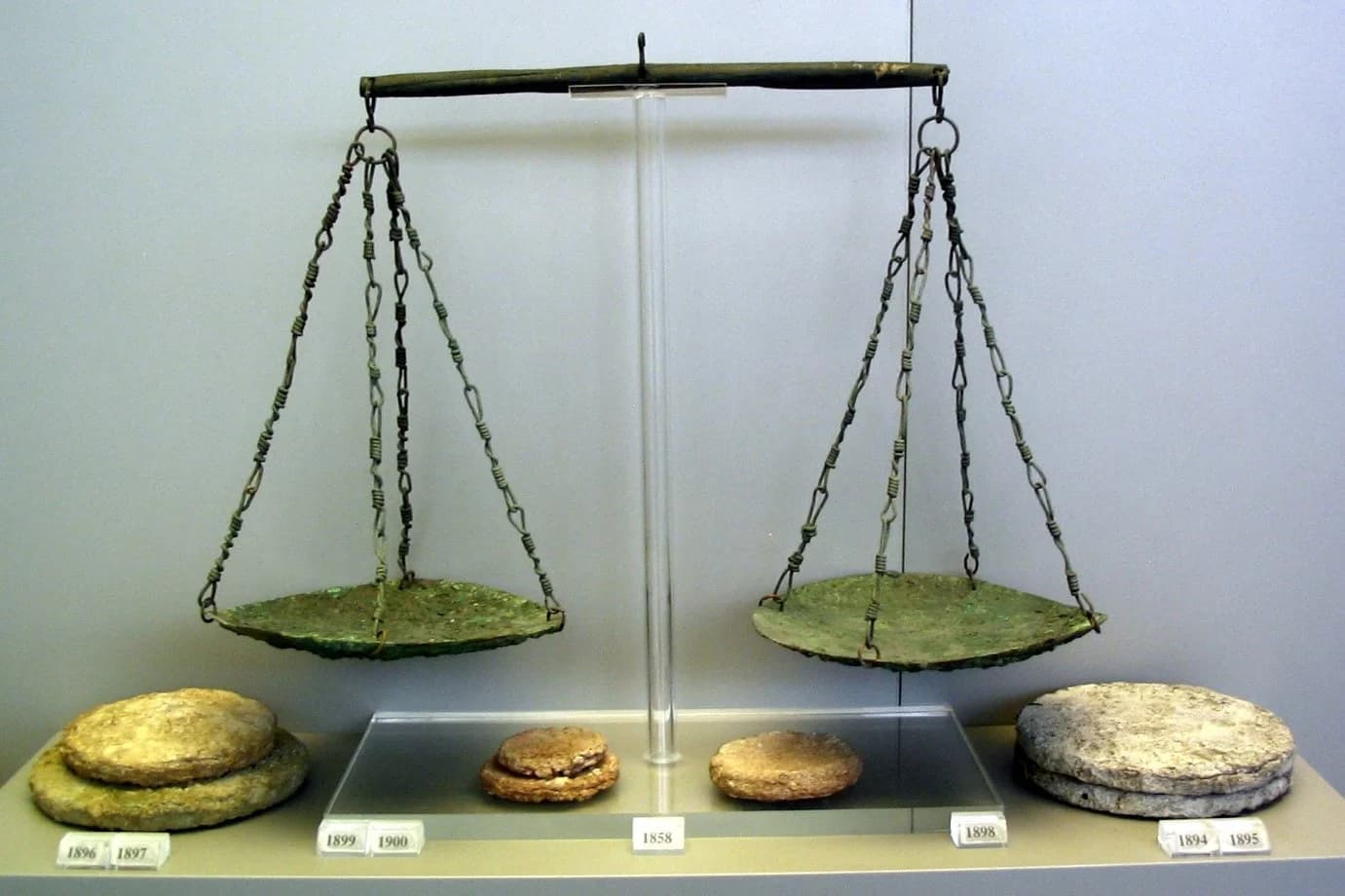
Una de las básculas (balanza) más antiguas encontradas. Siglo XV a.C. Tumba de tholos de Vafio, Laconia. Museo Nacional, Atenas.
Investigación —
Las básculas funcionan según diferentes principios físicos — midiendo masa, fuerza o resistencia a la tensión. Las básculas mecánicas funcionan sin necesidad de electricidad: balanza, resorte, péndulo, hidráulica o neumática. Las digitales combinan un proceso mecánico con una corriente eléctrica aplicada a transductores que miden la deformación.
El funcionamiento de las básculas se basa en diferentes principios físicos, capaces de medir masa, fuerza o resistencia a la tensión. El objetivo era identificar un principio infrautilizado con potencial para el diseño de producto doméstico.
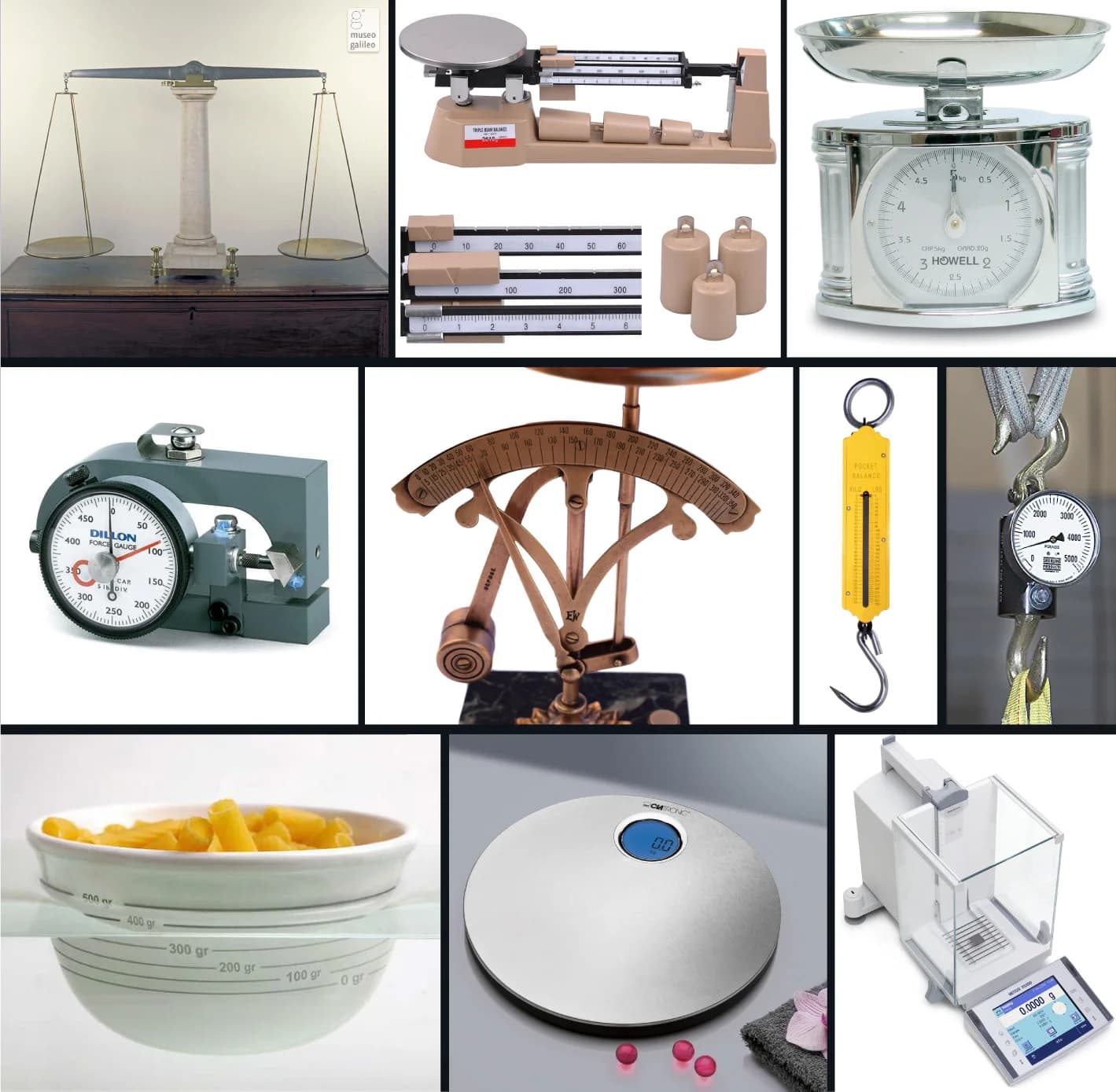
Algunos ejemplos de balanza, balanza de triple brazo, báscula de resorte, medidor de fuerza, báscula de péndulo, báscula colgante, báscula hidráulica, báscula por desplazamiento de agua y básculas digitales.
Principio de Arquímedes
Eureka.
Todo cuerpo sumergido en un fluido experimenta una fuerza ascendente igual al peso del fluido desplazado.
Centrado en un sistema de pesaje tradicional, la intención era usar este principio poco común pero igualmente funcional para desarrollar un producto utilizable en casa — y demostrar el potencial de esta ley física en el diseño cotidiano.
Inspiración —
Muy pocos productos en el mercado utilizan el principio de Arquímedes para pesar objetos en entornos domésticos. Aunque esto puede verse como una desventaja, ofrece una amplia gama de posibilidades inexploradas — tanto en tecnología como en forma.
Conceptos de referencia: Water Scale de Muzaffer Kocer & Ayca Guven, Water Climb de Jaeyoon Park, Dajeong Kim & Jeong Heo, y Weighing Bowl de Acquacalda.
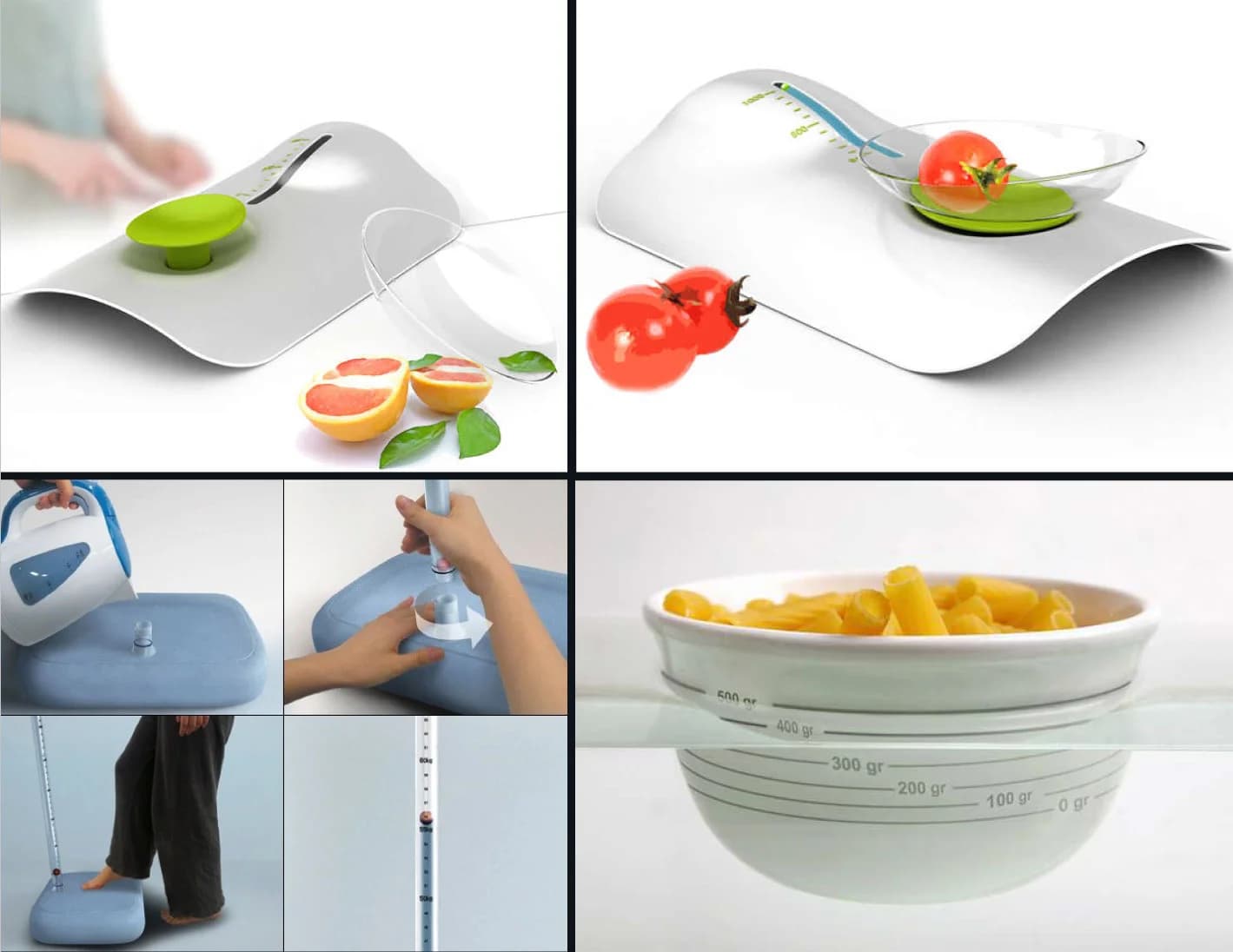
'Water Scale' (concepto) de Muzaffer Kocer & Ayca Guven, 'Water Climb' (concepto) de Jaeyoon Park, Dajeong Kim & Jeong Heo, y 'Weighing bowl' de Acquacalda.
Resultado —
Eureka es el resultado final de una báscula moderna basada en un mecanismo ancestral, el principio de Arquímedes.
Hoy en día, las básculas digitales ofrecen varias ventajas como alta precisión, velocidad, fácil manejo y pequeñas dimensiones. Obviamente, competir contra estas características es difícil y esta es la principal razón por la que las básculas tradicionales están siendo desplazadas.
Creada para reivindicar el uso de los sistemas de medición tradicionales, Eureka aspira a competir contra las básculas digitales gracias a su ingenio. Lo que caracteriza a este producto no es exactamente su precisión — limitada a 100g — sino su diseño y la forma en que se usa. Definida por un diseño minimalista simple y funcional, esta báscula permite pesar objetos con agua como si fuera un juego.
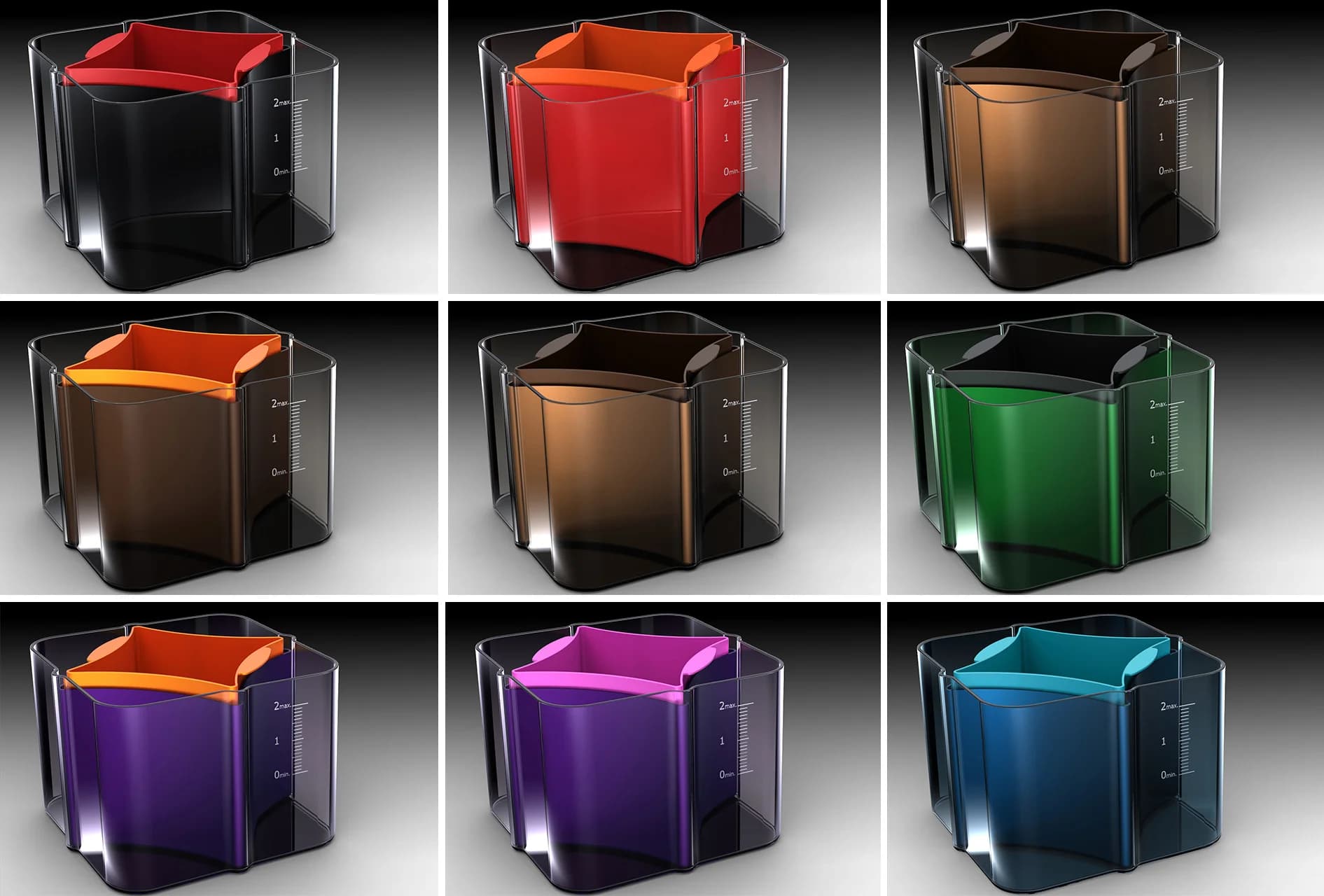
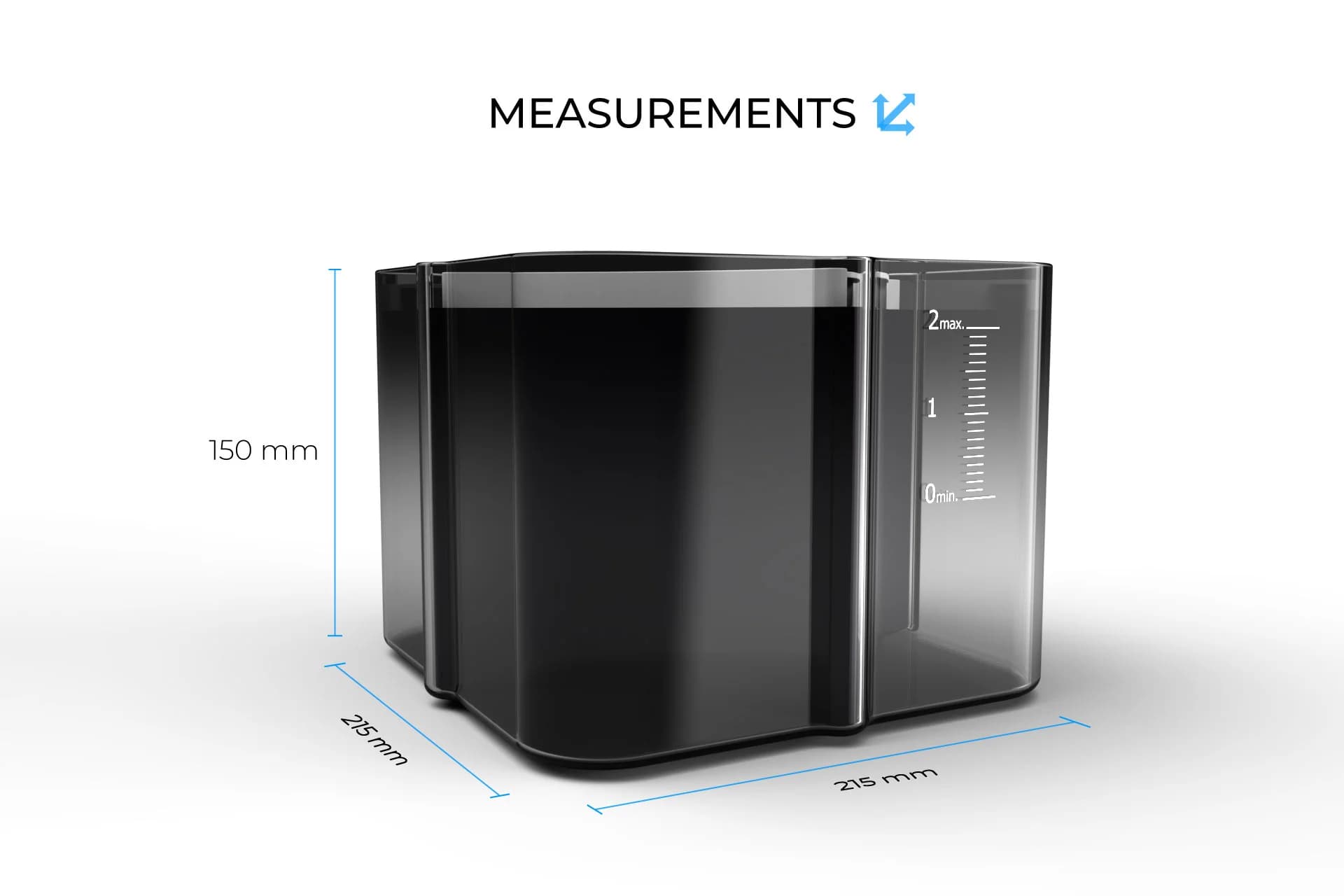
Fácil de usar y limpiar, disponible en múltiples colores, y diseñada para usuarios de todas las edades incluidos niños. Capaz de pesar objetos de hasta 2 kg, es la báscula perfecta para usar en la cocina.
Componentes —
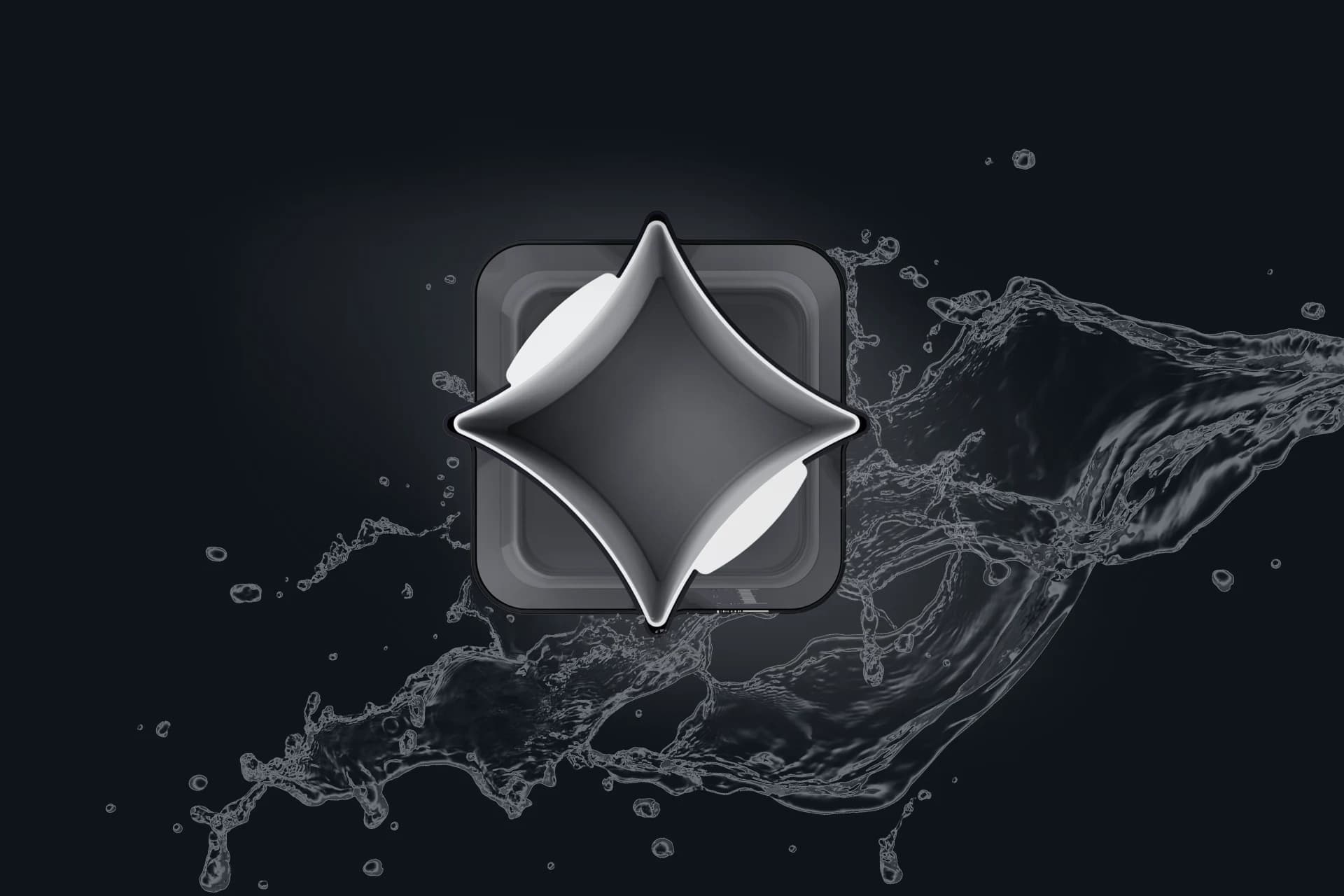
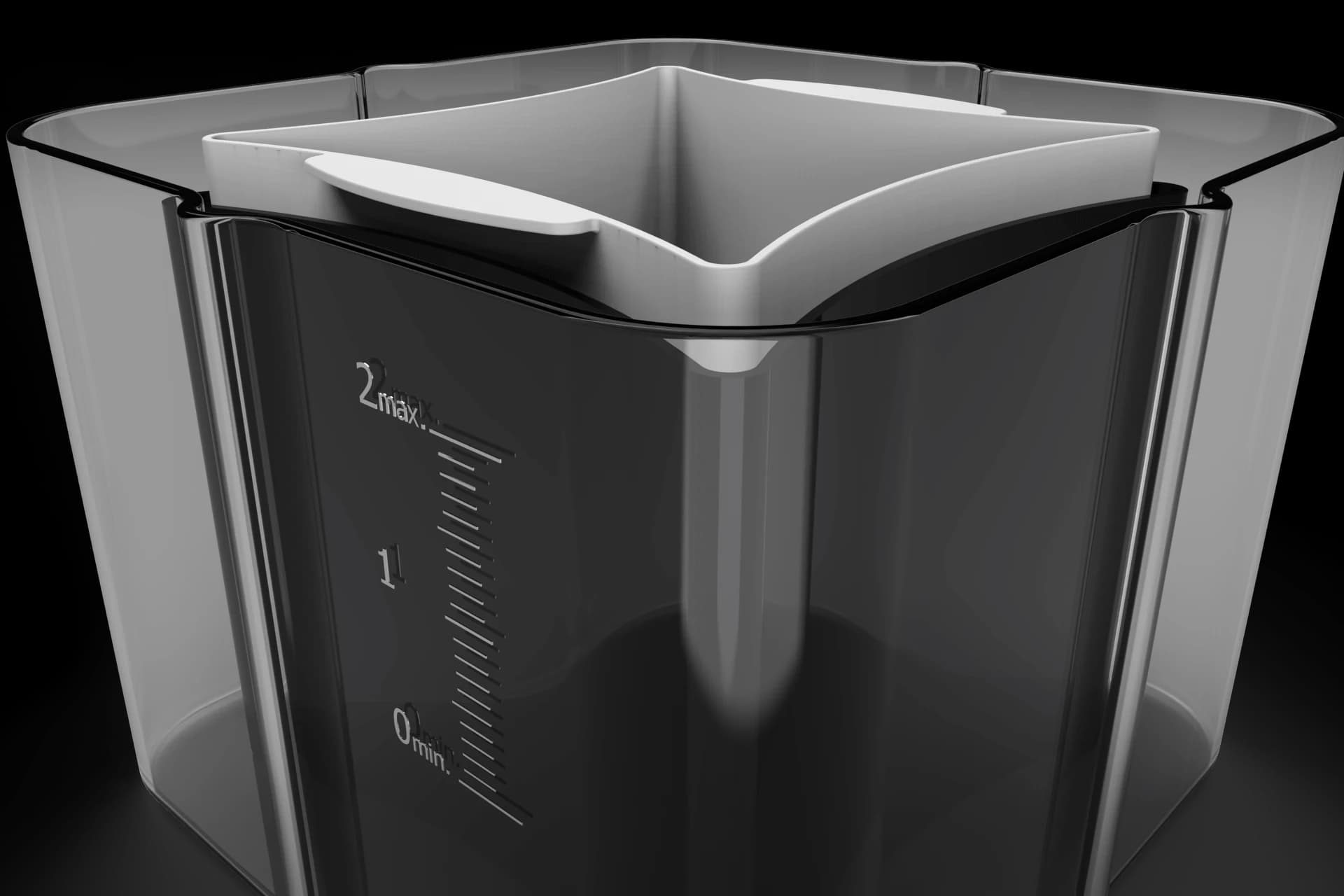
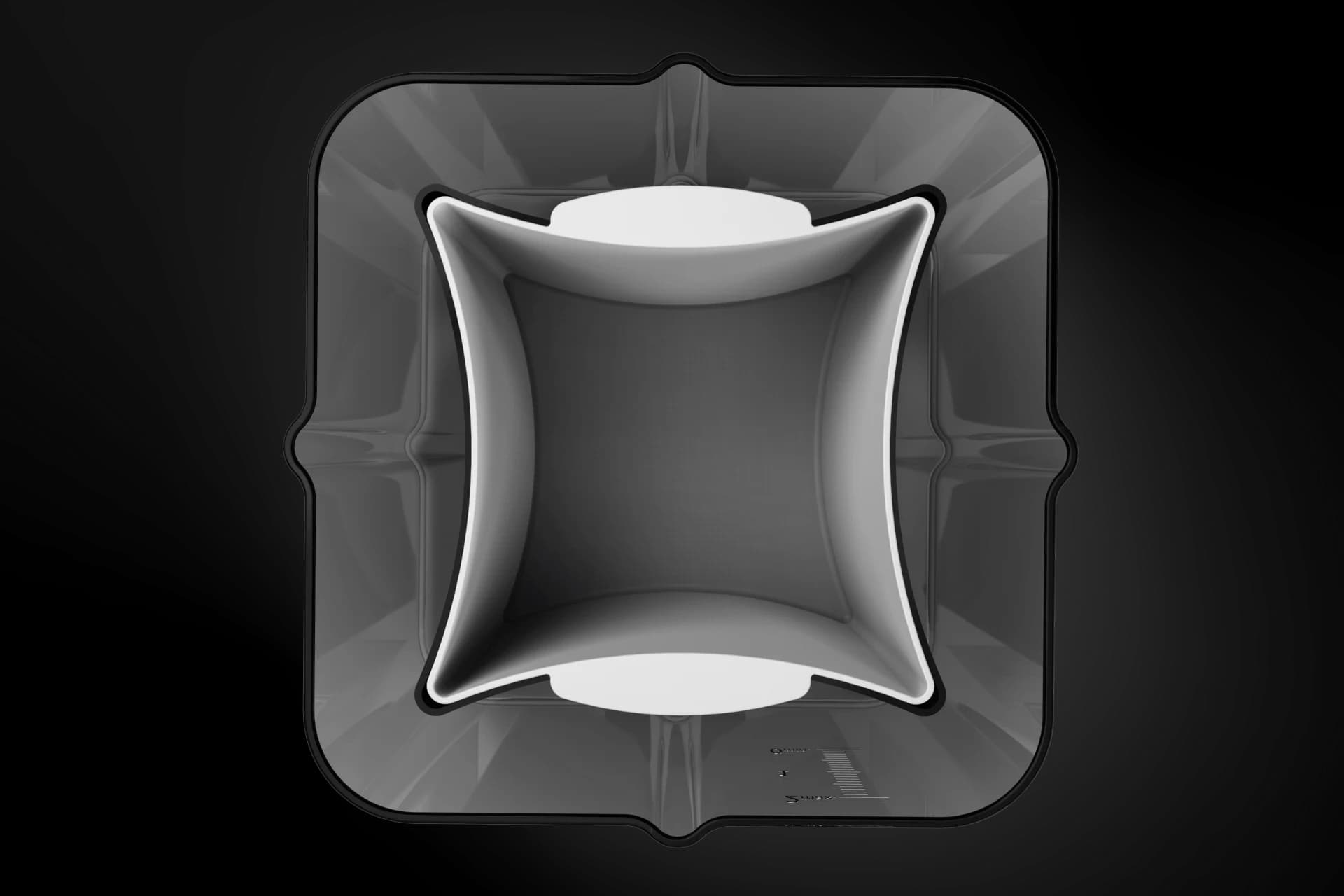
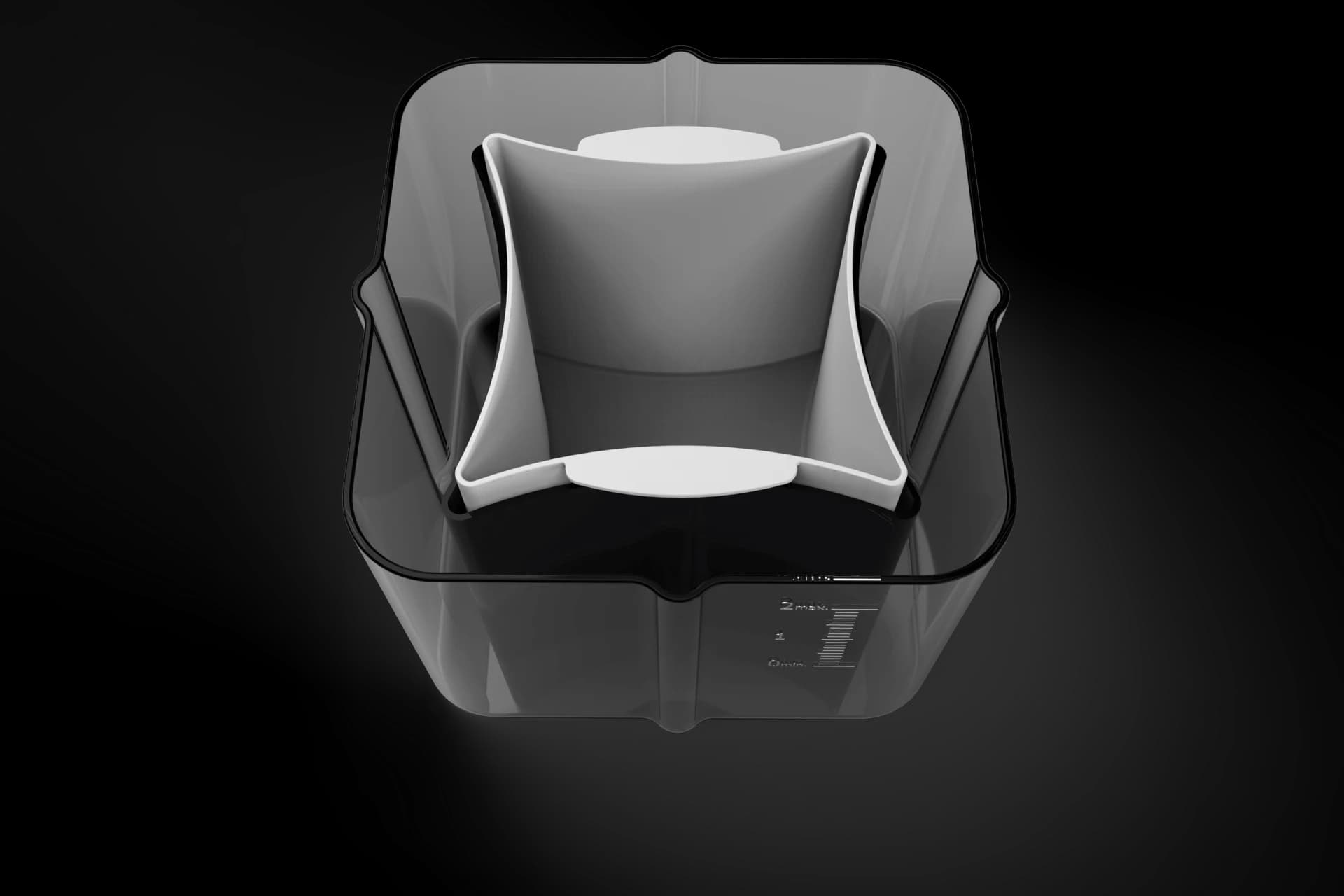
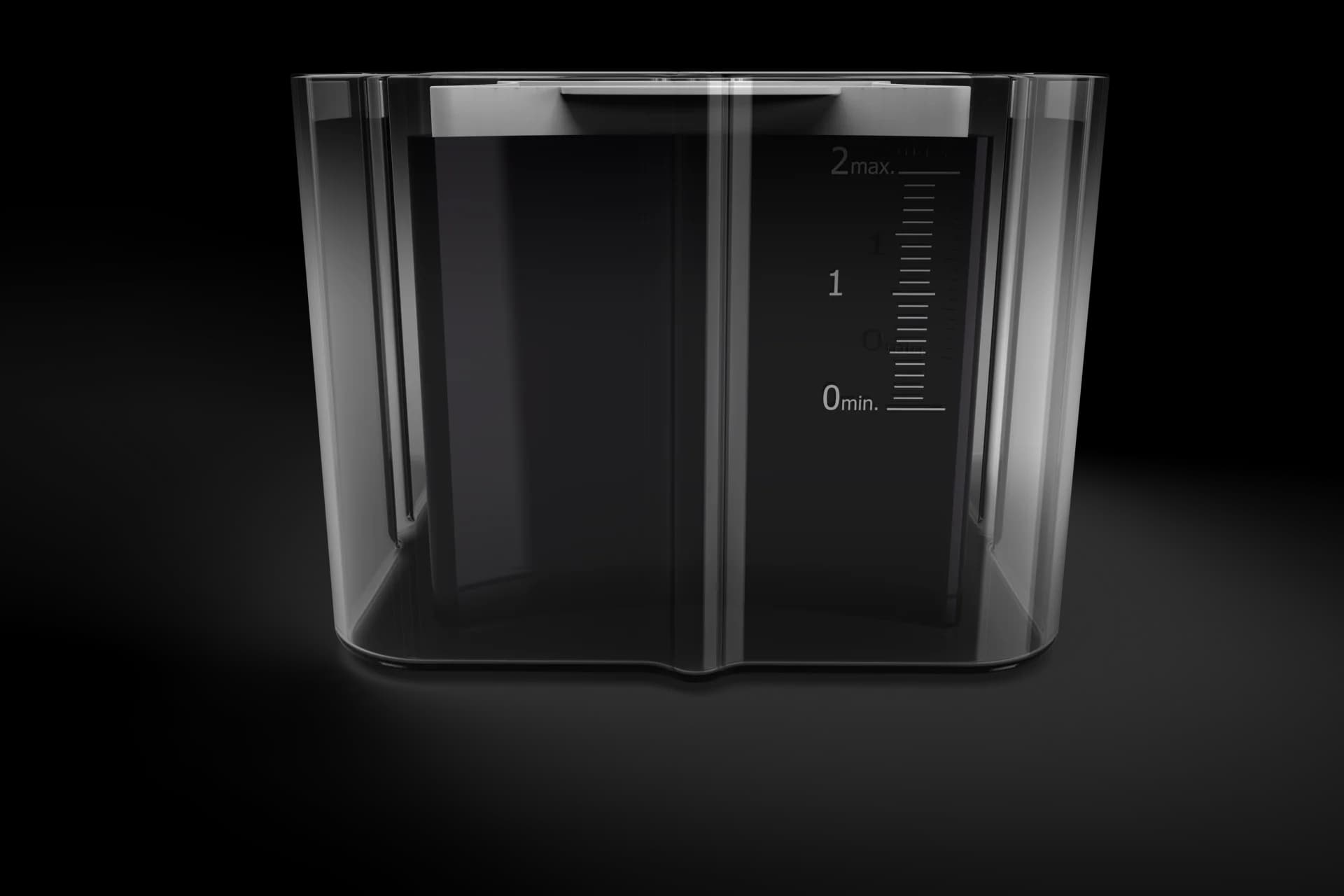
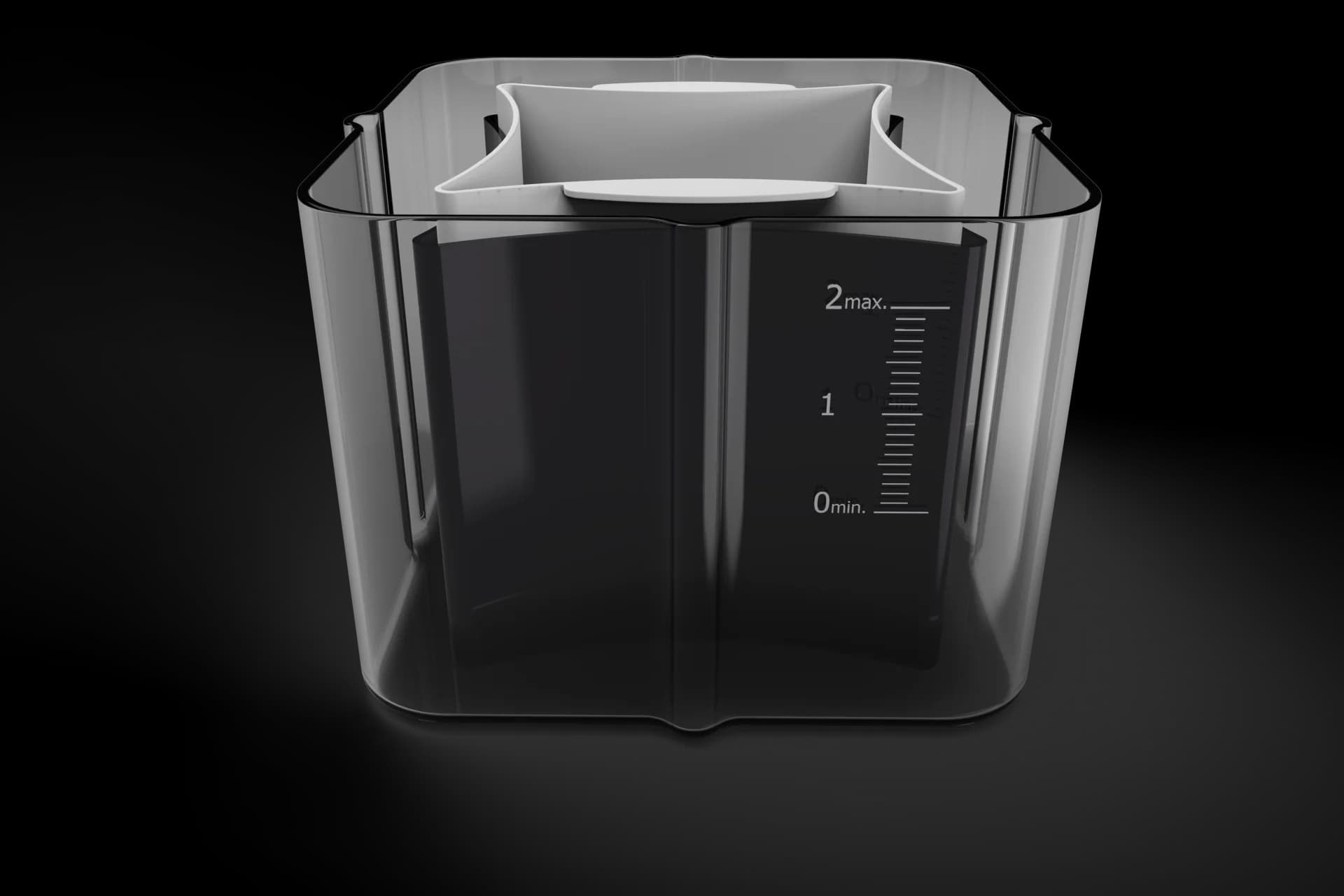
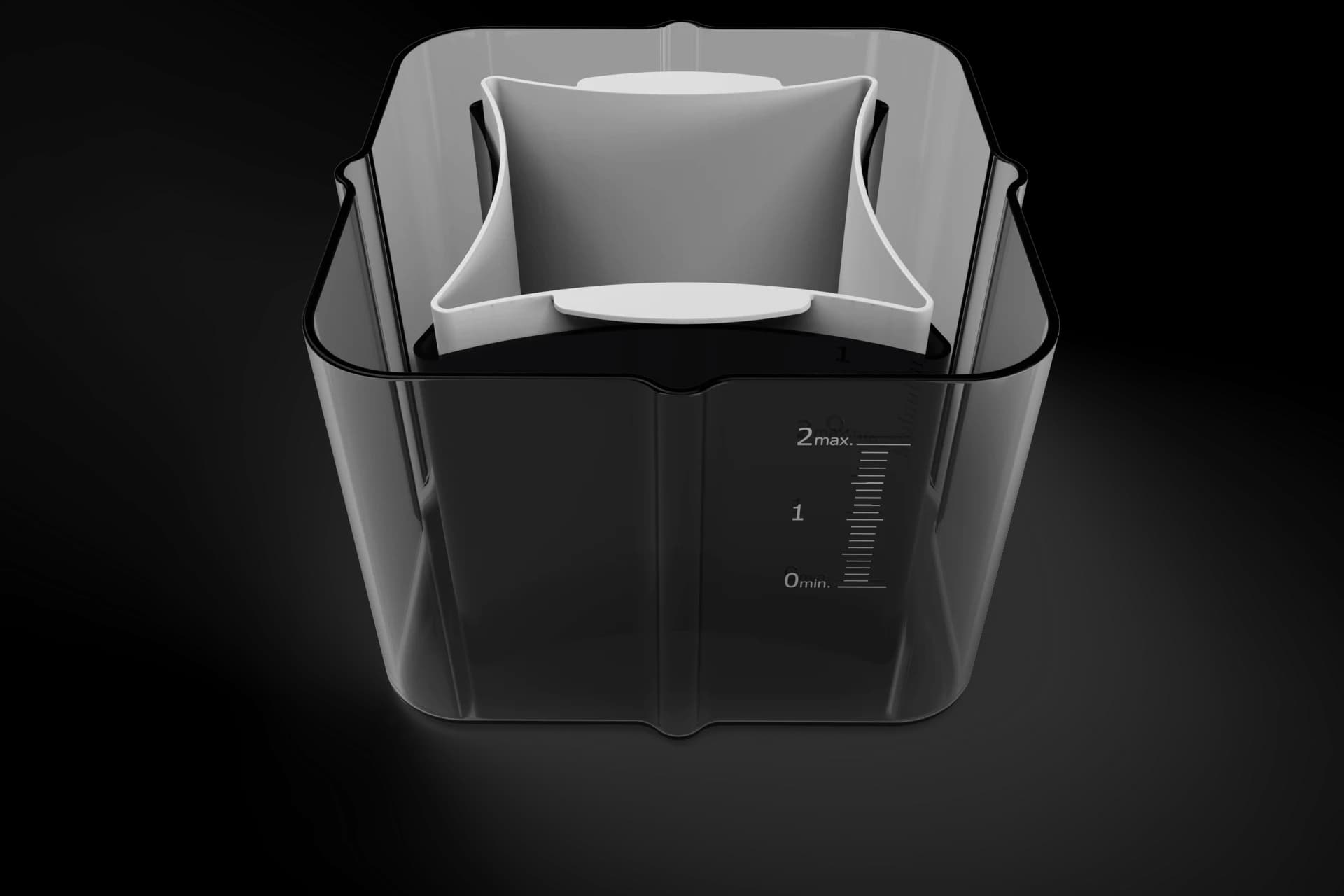
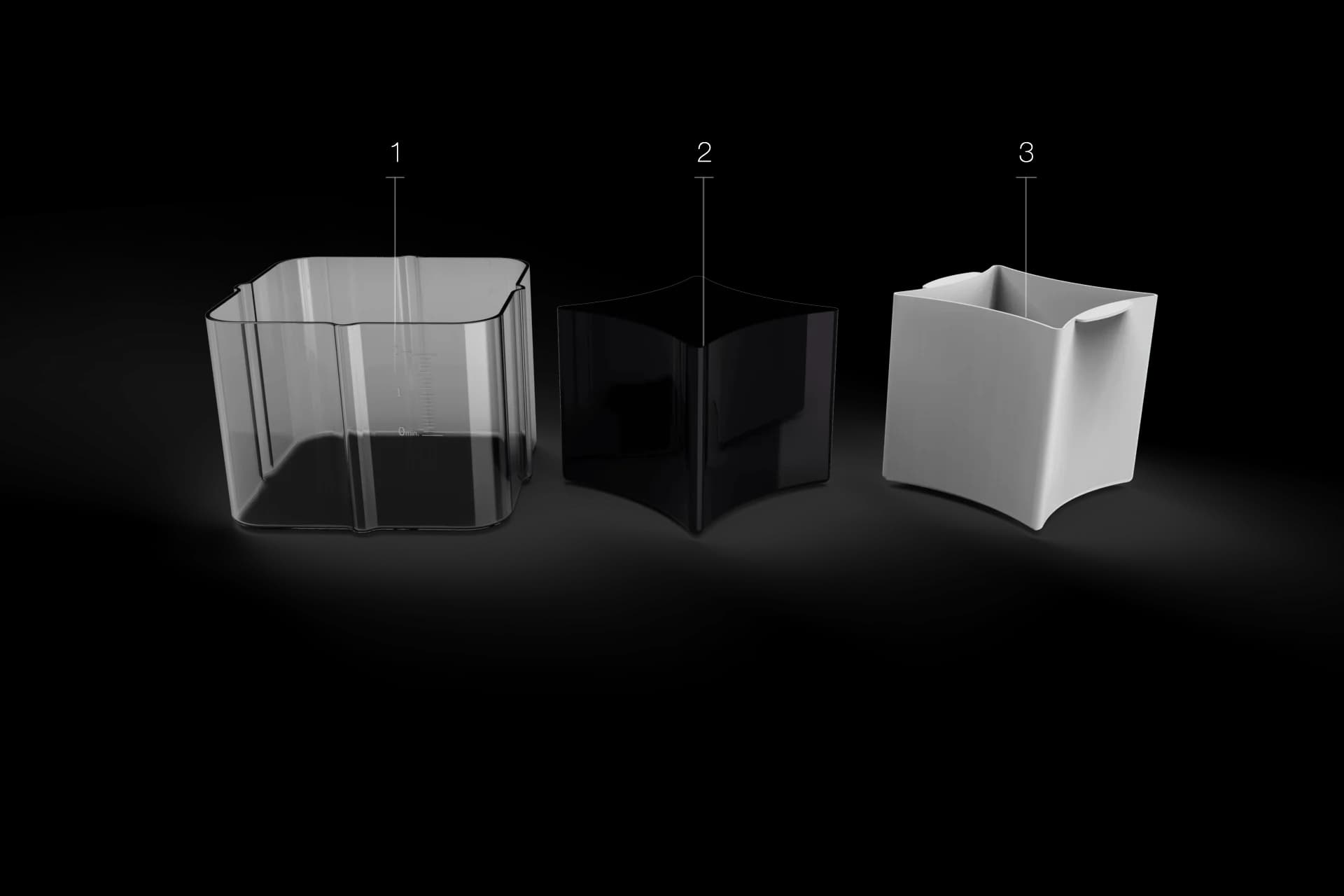
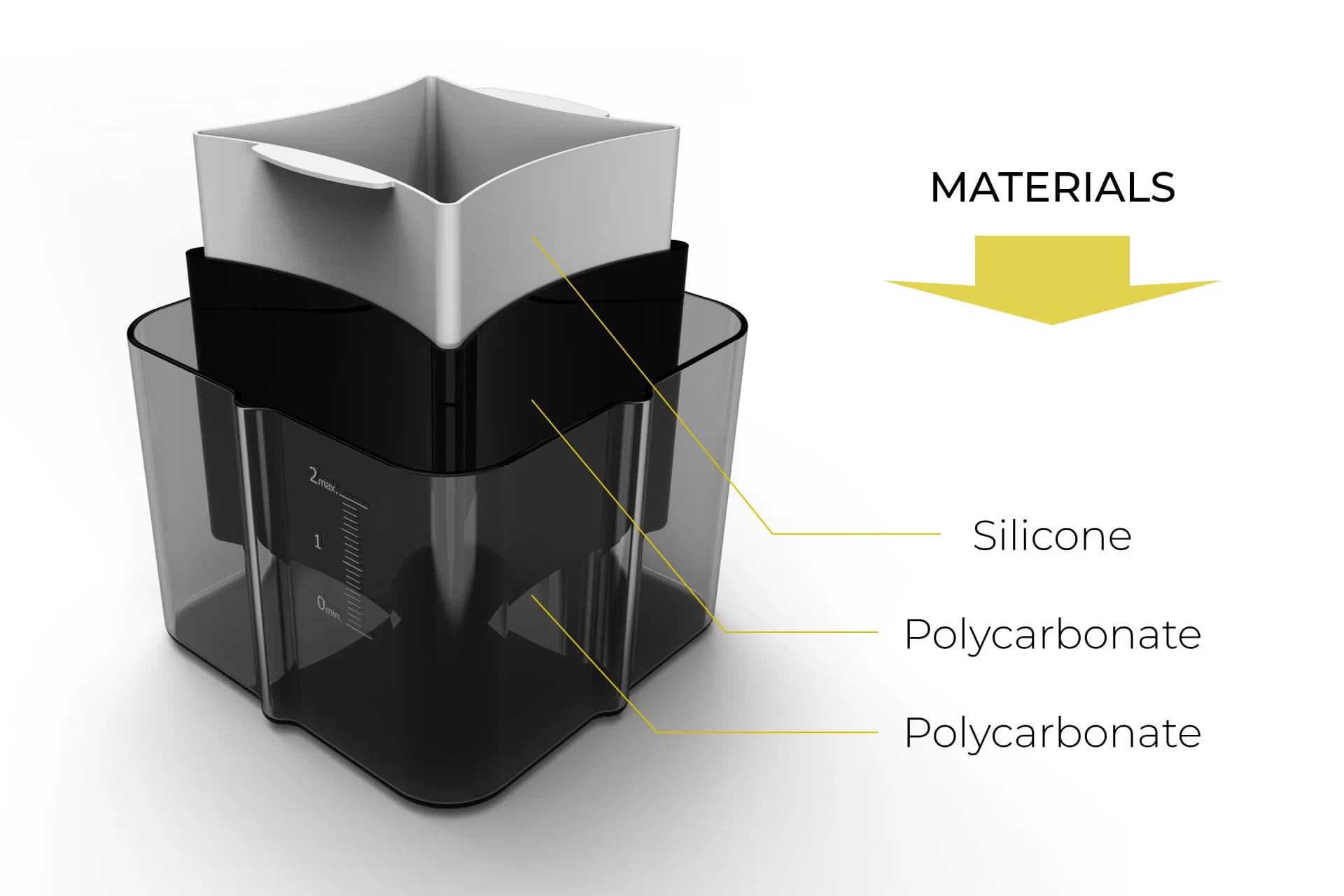
Eureka consta de 3 recipientes, cada uno diseñado para un propósito específico.
Recipiente exterior
PC transparente. Contiene el agua necesaria para el funcionamiento. Permite leer el nivel del agua desde el exterior.
Recipiente intermedio
PC opaco para mejor contraste con el agua. Encaja en los raíles del recipiente (1) y se desliza verticalmente al añadir peso.
Recipiente interior
Silicona — flexible, duradera, apta para alimentos. Extraíble y nunca en contacto con el agua, evitando salpicaduras no deseadas al extraer los productos pesados.
Modo de Uso —
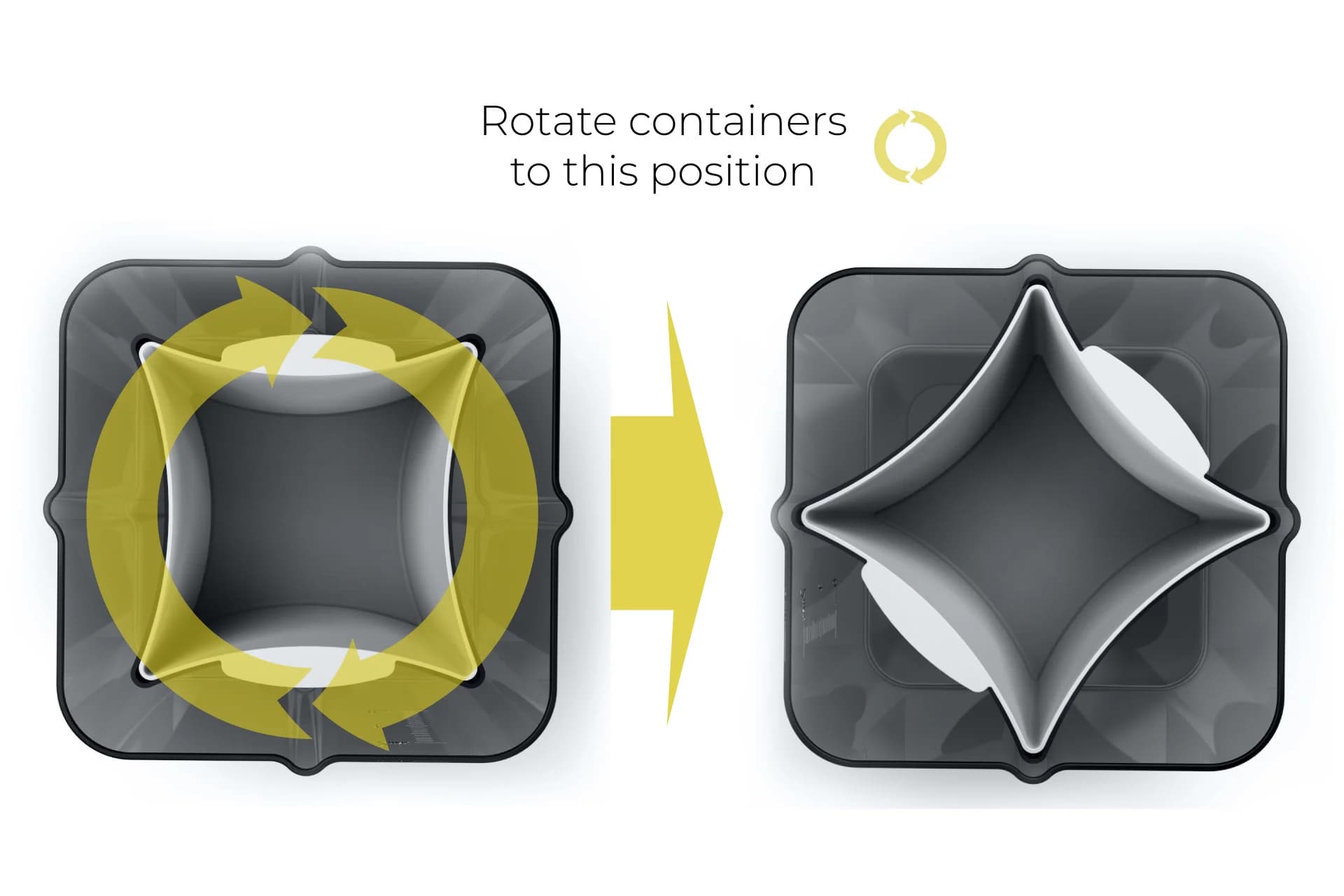
Girar los recipientes (1) y (2) para alinear sus respectivos raíles — esto prepara el mecanismo deslizante para el movimiento vertical correcto.
Colocar el recipiente (3) dentro de los recipientes (1) y (2).
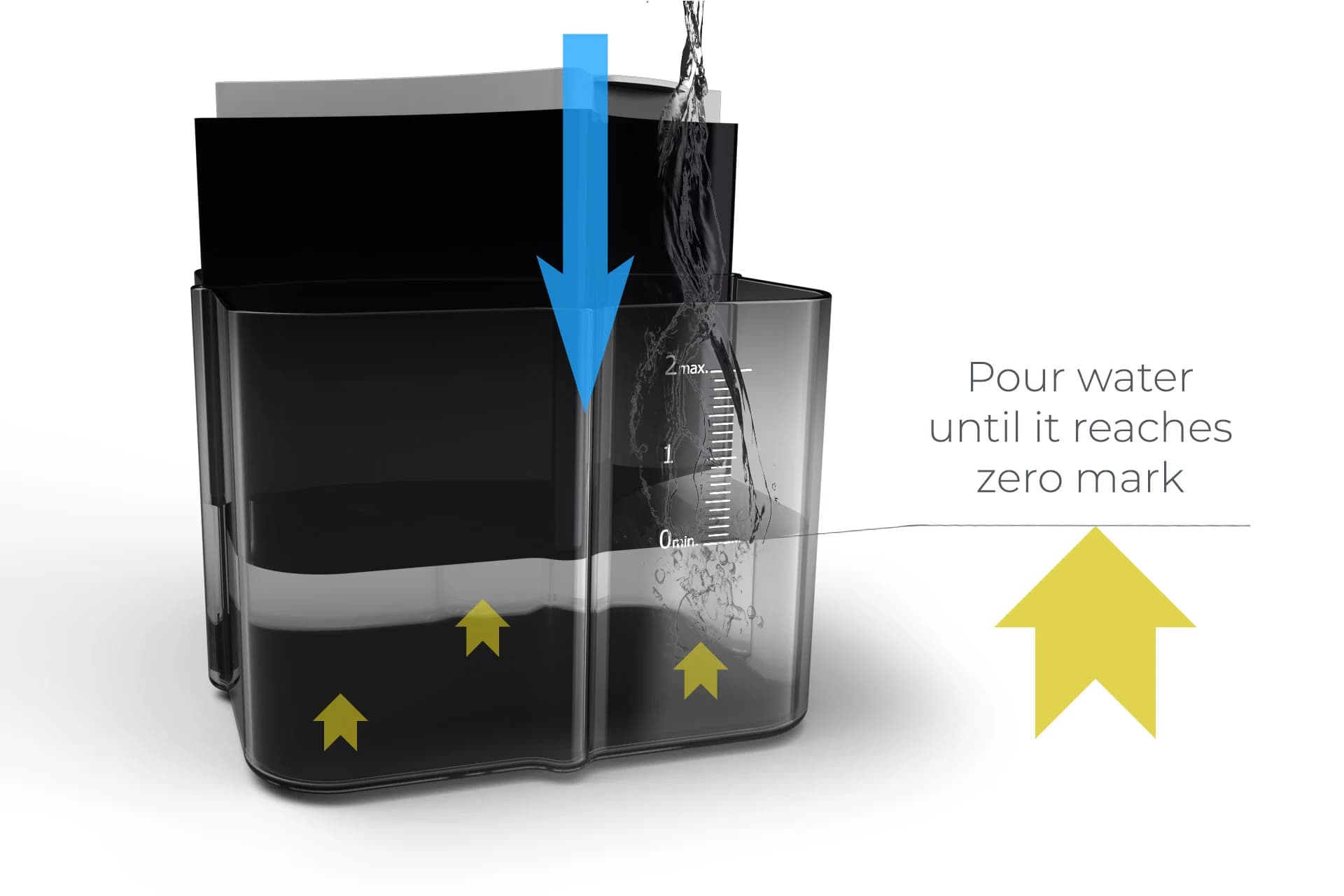
Colocar los 3 recipientes sobre una superficie plana. Verter agua en el recipiente (1) hasta que alcance la marca de cero (aprox. 2,8 L). La báscula ya está calibrada.
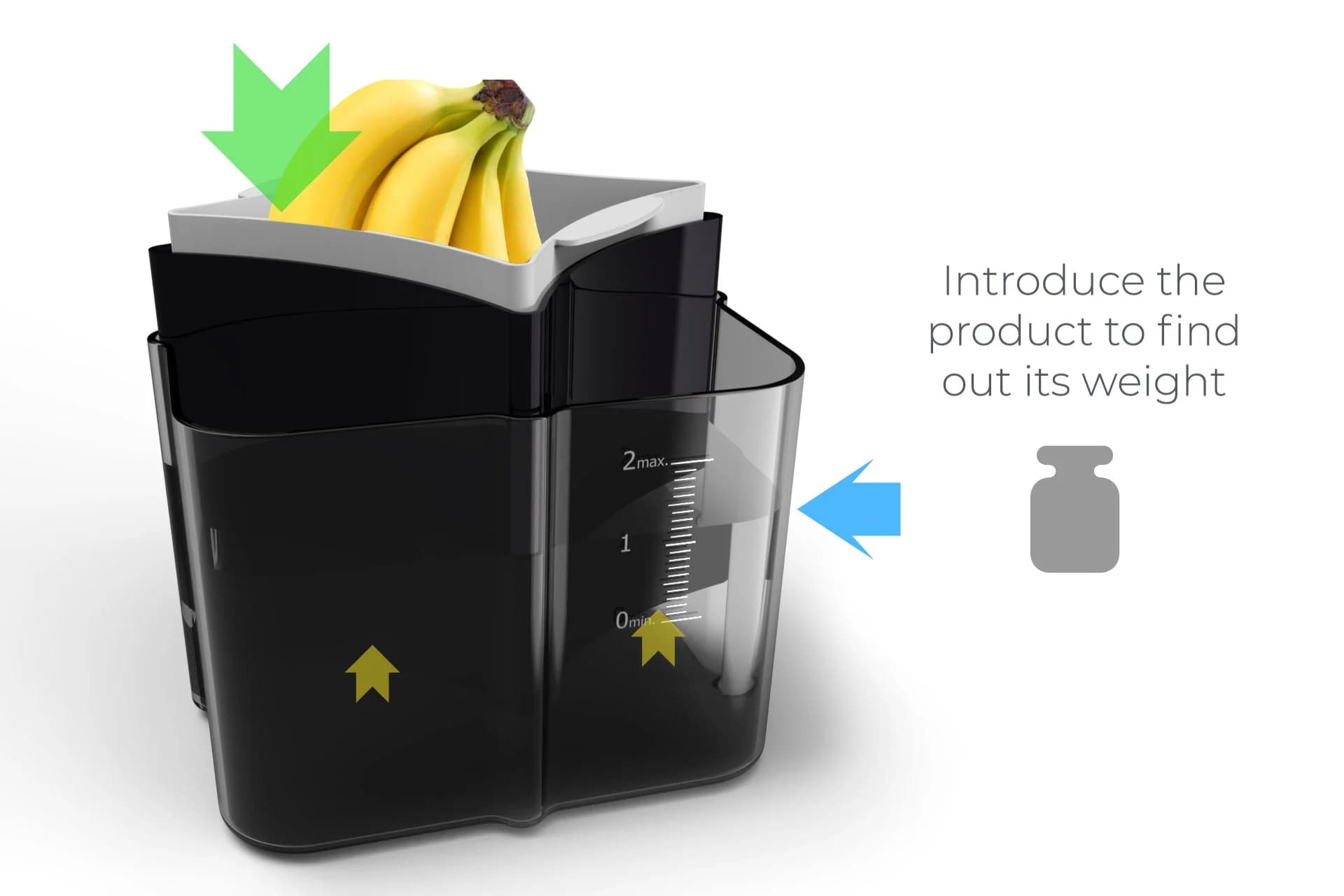
Para pesar un producto, colocarlo en el recipiente (3). El peso correcto se indica por el nivel del agua en la escala.
Una vez pesado, extraer el producto sacando el recipiente (3) — especialmente útil para productos a granel.
CMF —
Color · Material · Acabado
Tanto el recipiente exterior (1) como el intermedio (2) están fabricados en policarbonato. El recipiente (1) debe ser transparente — esencial para leer el nivel del agua durante el uso. El recipiente (2) debe ser opaco para mejor contraste con el agua.
El recipiente interior (3) está fabricado en silicona — flexible, duradera y uno de los materiales más adecuados para productos en contacto directo con alimentos. Las opciones de color son libres, siempre que el recipiente (1) conserve su transparencia.
La selección de colores puede ser tan variada como se desee, siempre que el recipiente exterior (1) permanezca transparente para permitir la lectura del nivel del agua.
En cuanto a los acabados, todos los recipientes deben tener un acabado liso. En el caso de los recipientes (1) y (2), esto reduciría el coeficiente de rozamiento entre ellos durante el pesaje, ofreciendo datos más precisos. El acabado del recipiente (3), por su parte, se recomienda liso para facilitar la limpieza tras el uso, ya que estará continuamente expuesto a alimentos.