Sobre mí
El futuro no se programa.
Se diseña.
Diseñador industrial reconvertido en constructor de IA. Misma mentalidad. Mismo proceso. Distinto material.
Nací en Ucrania. Me mudé a España con 16 años. Desde pequeño me atraía entender cómo funcionan las cosas — desmontaba todo lo que caía en mis manos para ver qué había dentro. Ordenadores, mecanismos, sistemas. La curiosidad siempre estuvo ahí.
La elección que tenía sentido después
Estuve a punto de estudiar informática. La tecnología me fascinaba — me sigue fascinando. Pero no me veía escribiendo código durante horas frente a una pantalla. Lo que realmente quería era construir cosas que la gente pudiera sentir. El diseño de producto fue la respuesta: la intersección entre tecnología, función y experiencia humana. No abandoné la tecnología. Encontré una forma mejor de entrar en ella.
Años después, la situación es bastante irónica. Describo lo que quiero construir en un lenguaje natural, mientras la IA redacta el código. Así es como se ha creado esta web: yo diseñaba, la IA ejecutaba. Algunos podrían considerarlo hacer trampa. Yo lo veo más como una manera de adaptarse al avance tecnológico que estamos viviendo.
La ciudad que lo cambió todo
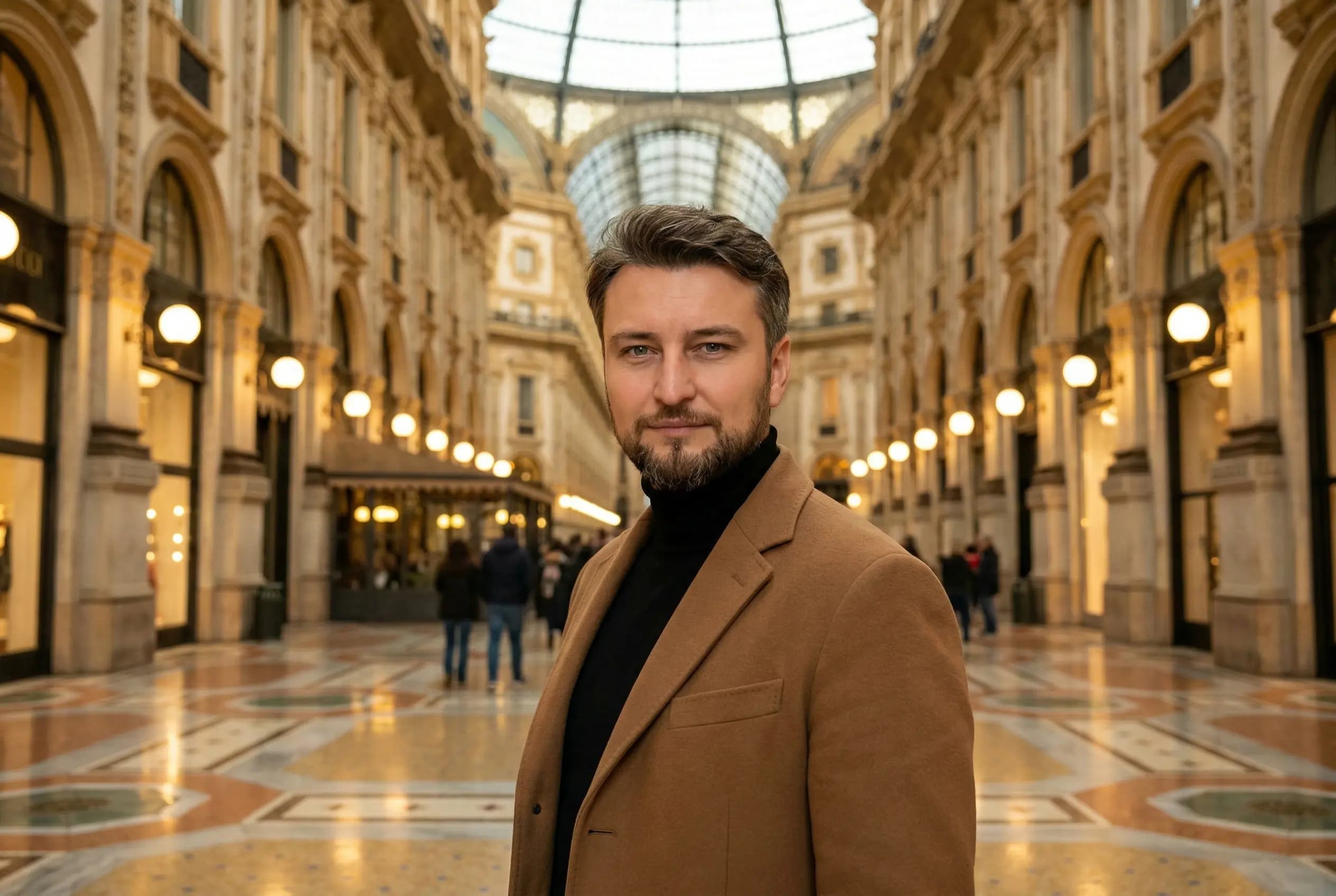
Un año de Erasmus en el Politecnico di Milano fue suficiente. Supe antes de que acabara ese año que haría lo que fuera para volver y estudiar allí mi máster. Y así fue — aprendí italiano, superé la certificación de idioma y me presenté. Fui uno de los cinco estudiantes no europeos admitidos ese año. El Politecnico no me enseñó solo diseño. Me enseñó a ver — a observar un problema desde todos los ángulos antes de tocarlo. Ese máster, centrado en nuevas tecnologías aplicadas al diseño de producto, confirmó lo que ya sospechaba: el futuro del diseño era digital.
Donde lo que está en juego es real
Tras graduarme, pasé años diseñando en el sector sanitario — iluminación quirúrgica para quirófanos, productos en fibra de carbono para radiología, un proyecto con GE. No eran objetos decorativos. Eran sistemas construidos alrededor de momentos críticos para la vida. Eso cambia cómo piensas sobre el diseño.
Pero más allá de los productos, estaba dentro de esas organizaciones. Trabajando entre departamentos. Viviendo las certificaciones, las tolerancias de producción, los marcos regulatorios, los procesos internos que nunca aparecen en ningún folleto. Sé dónde vive la fricción — porque la viví. Ese tipo de conocimiento no se puede aprender desde fuera. Y es exactamente lo que aplico a cada solución de IA que construyo hoy.
Aunque nada de esto era nuevo. La fascinación por la salud, la tecnología y el diseño se remonta a mi época universitaria. Son los temas que me ponen en estado de flujo. Avances médicos, nuevos diagnósticos, medicina de precisión, tecnologías emergentes — puedo hablar de esto durante horas sin cansarme. El sector no creó esa pasión. Ya estaba ahí.
«La salud nunca fue solo un negocio para mí.
Es personal.»
He estado en los dos lados del sistema sanitario — como diseñador construyendo herramientas para él, y como persona que ha necesitado que funcione. Esa experiencia no te abandona. Afina lo que te importa y el porqué.
El momento que estaba esperando
Siempre supe que iba a construir algo propio. No porque el emprendimiento sonara emocionante — sino porque nunca he estado hecho para otra cosa. Necesito crear, diseñar, inventar. Cuando la IA explotó, no vi una tendencia. Vi la herramienta que estaba esperando. La que amplificaba exactamente lo que ya sabía hacer.
El diseño me había dado algo que la mayoría de los builders de IA no tienen: un método probado. Design Thinking. Observar. Identificar la fricción. Prototipar. Iterar. No estaba cambiando de carrera. Estaba cambiando el material.
Construyendo ahora
Ahora mismo estoy centrado en construir sistemas inteligentes — automatizaciones, agentes de IA e interfaces conversacionales. El mundo de la IA avanza más rápido de lo que la mayoría de la gente se da cuenta, y en un campo que se reinventa cada pocos meses, quedarse quieto no es una opción. Lo que más importa no es qué tecnología usas — es la estrategia y el pensamiento detrás de ella.
Después de años diseñando — productos físicos, sistemas digitales, soluciones construidas alrededor de las personas — una cosa nunca ha cambiado: entender a las personas antes que las soluciones. Eso es lo que aporto a todo lo que construyo.
Lo que el diseño me dio — y que pocos builders tienen — es entender que cuando algo es completamente nuevo para alguien, lo primero no es venderlo. Es explicarlo. Qué es, cómo funciona, cómo puede aplicarse a su vida concreta. Solo entonces tiene sentido diseñar algo para esa persona. De lo contrario, estás construyendo para ti mismo.
La gente huye de lo que no conoce. La IA no es ninguna excepción. Tardamos en confiar en Internet. En pagar con tarjeta. En poner esa tarjeta en el teléfono. Cada tecnología que hoy nos parece obvia pasó por ese mismo proceso: alguien tuvo que mostrar cómo funcionaba — lo que resolvía y lo que aún no resolvía — hasta que el miedo se volvió curiosidad, y la curiosidad, hábito.
La IA está en ese momento ahora mismo. Y la única forma de acortar ese proceso no es hablar de capacidades. Es mostrar casos reales. Honestos. Con sus limitaciones.
Esto solo acaba de empezar.